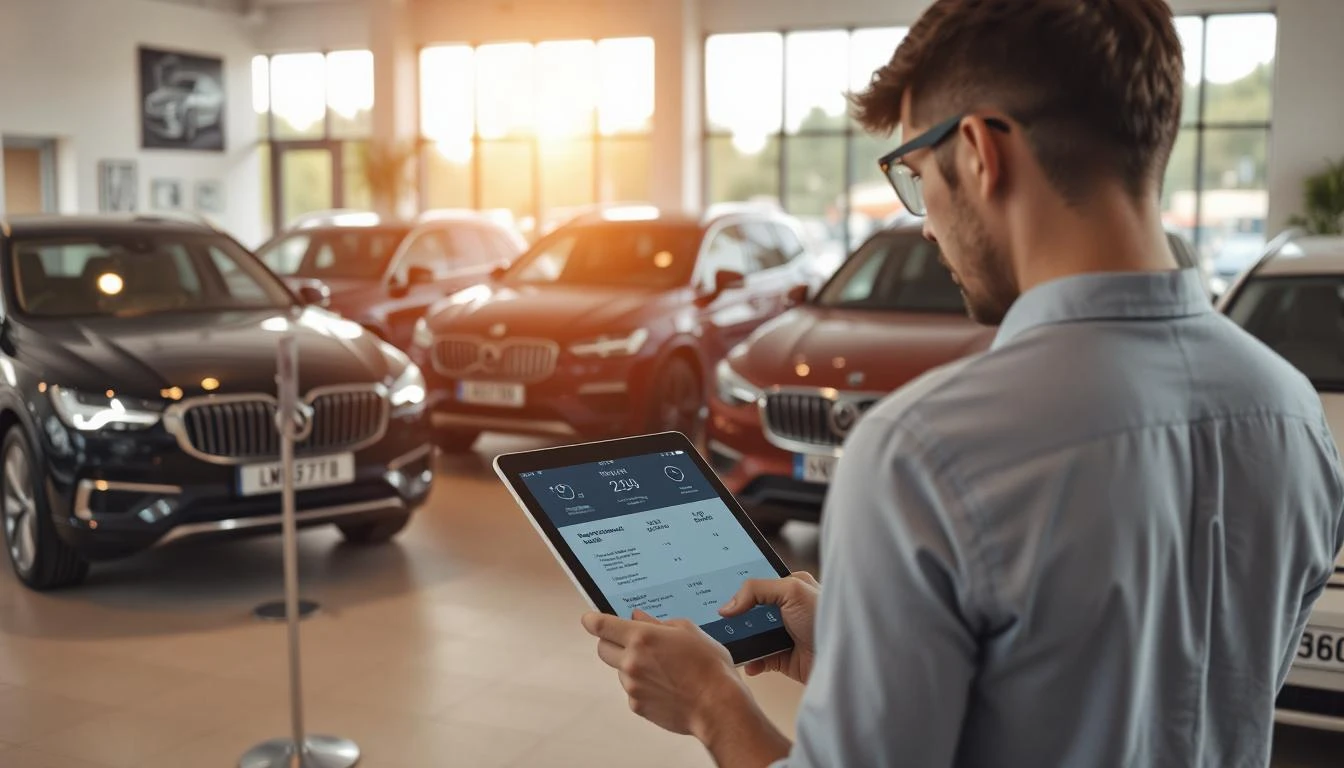
Used Car Buying Smarter in 2026

The global automotive market is shifting faster than ever, reshaping how people discover, evaluate, and purchase vehicles. Digital transformation, cross-border listings, and data-driven platforms are now influencing decisions more than showroom visits. Buyers are no longer relying on instinct alone; they are navigating a highly analytical ecosystem where information is power.
In this evolving environment, mastering pre owned vehicle selection tips has become a crucial skill for anyone planning to buy a vehicle in 2026. It is no longer just about finding a good deal, it is about understanding data, interpreting vehicle history, and making strategic decisions in a global marketplace where transparency and speed define success.
The New Landscape of Used Car Shopping
The used car industry has transformed into a borderless digital marketplace where buyers can compare vehicles across continents in seconds. Algorithms, real-time pricing tools, and verified listings now shape consumer behavior more than traditional dealerships ever did.
In this new era, certified second hand cars have become a dominant force, offering buyers structured assurance through inspection reports, warranty coverage, and verified ownership history. This shift reflects a growing demand for transparency and reduced risk in high-value purchases.
The global marketplace now rewards informed buyers who understand how to interpret digital signals like vehicle history reports, VIN-based tracking systems, and depreciation analytics. As automotive strategist Daniel Mercer states, “The used car market is no longer local, it is a global data exchange where trust is built through verification, not promises.”
The shift is also visible in consumer behavior, where online automotive marketplace comparison platforms are replacing traditional showroom visits. Buyers are increasingly comfortable making decisions remotely, relying on structured data instead of physical inspection alone.
Market trends shaping buyer behavior
The modern buyer is influenced by instant access to data such as accident records, ownership timelines, and maintenance logs. Search trends like “best way to compare used cars online 2026” reflect this analytical shift. The rise of AI-driven pricing models also ensures more competitive and transparent listings.
Rising demand for certified vehicles
Certification programs now function as digital trust layers in the automotive ecosystem. They reduce uncertainty and increase resale confidence, especially in cross-border transactions. This is where buyers increasingly prioritize reliability over raw price advantages.
Popular vehicle categories in 2026
SUVs, hybrid sedans, and compact electric vehicles dominate global demand. Urban buyers lean toward fuel-efficient models, while adventure-focused consumers explore electrified off-road segments. The diversity of options makes strategic filtering more important than ever.
Essential Steps Before Making a Purchase
Every smart purchase begins with preparation. In 2026, buyers who succeed are those who treat vehicle acquisition as a structured decision-making process rather than an emotional impulse.
Before diving into listings, many buyers now use pre owned vehicle selection tips as a framework to align budget, reliability expectations, and long-term ownership costs. This approach reduces financial risk and increases satisfaction over time.
As mobility expert Dr. Helen Ward notes, “A well-informed buyer does not chase deals, they engineer them through preparation and data awareness.”
Setting a realistic budget
Modern budgeting goes beyond purchase price. Insurance tiers, fuel efficiency, and maintenance cycles must all be considered. Tools that simulate long-term ownership costs are now widely used in global marketplaces.
Researching reliability ratings
Reliability research has become more sophisticated, integrating manufacturer data, user reviews, and mechanical failure trends. Long-tail searches like “how to evaluate used car reliability before buying online” highlight this growing buyer awareness.
Scheduling professional inspections
Despite digital advancements, human inspection remains essential. Experts can identify structural issues and detect subtle problems such as odometer inconsistencies or past accident repairs that algorithms may overlook.
Smart Evaluation Techniques
Evaluating a vehicle in 2026 requires a blend of mechanical understanding and digital literacy. Buyers who combine both approaches achieve significantly better outcomes in value retention and ownership satisfaction.
Understanding pre owned vehicle selection tips at this stage means analyzing not just the car’s condition but its total financial footprint over time.
Assessing vehicle condition effectively
Condition assessment now includes diagnostic scanning tools, AI-generated reports, and physical inspection. This hybrid method ensures a more accurate understanding of wear, performance, and safety.
Understanding total ownership costs
Beyond purchase price, buyers must factor in depreciation, maintenance, fuel efficiency, and insurance. Searches like “affordable long-term used SUV ownership cost 2026” reflect this deeper financial awareness.
Reviewing warranty options
Warranty structures have evolved into modular systems, covering everything from battery health in EVs to software updates in connected vehicles. These options significantly influence long-term confidence.
The question is no longer whether good deals exist, it is whether you are equipped to recognize them when they appear.
Ready to make your next move?
Start applying smarter strategies today and step into the marketplace with confidence.