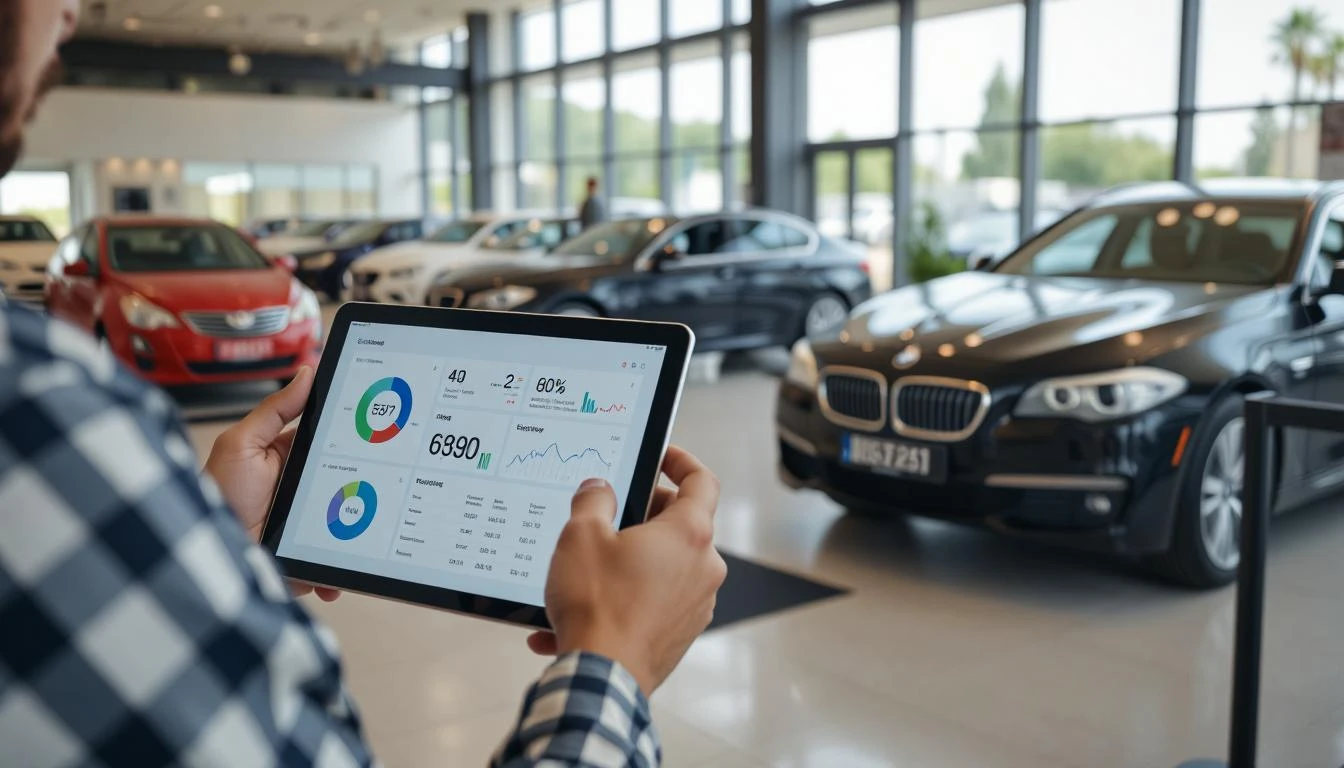
Car Buying Guide for Todays Market
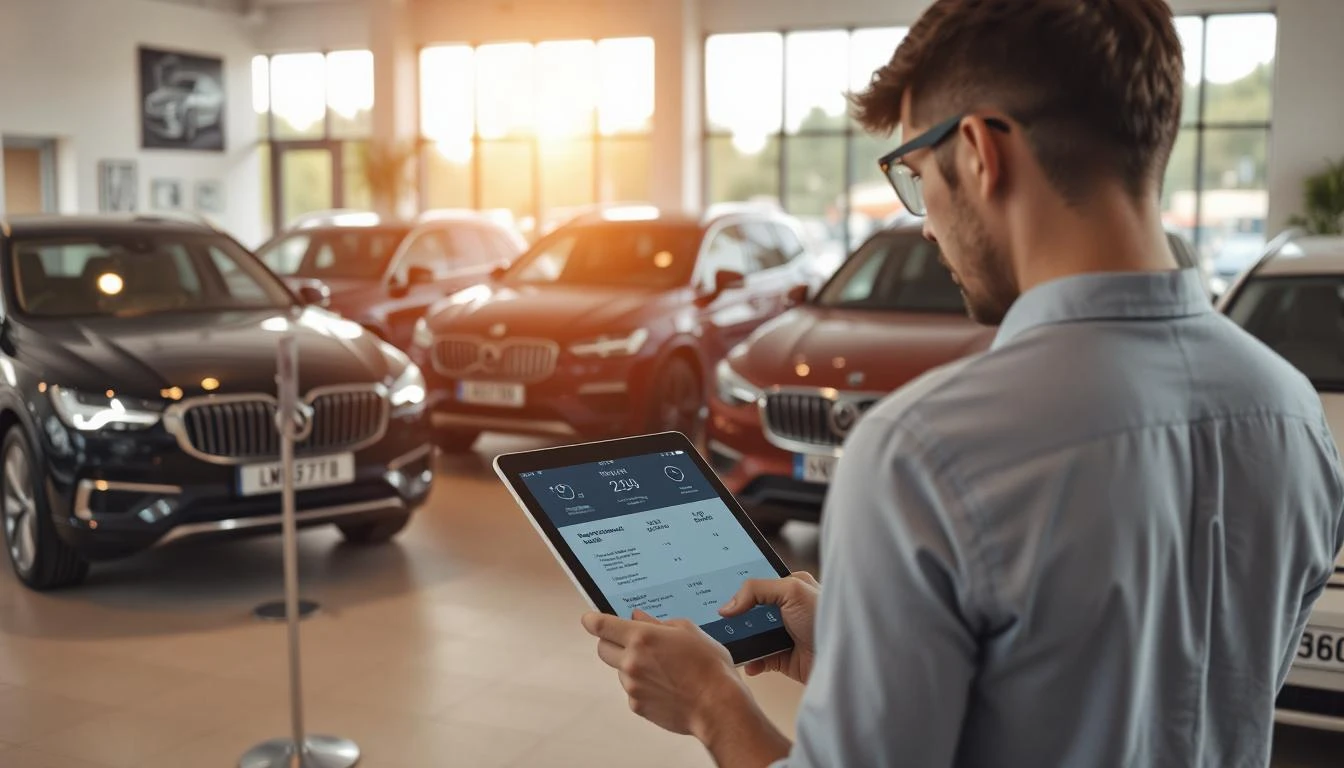
The modern automotive world is no longer just about engines and price tags, it has evolved into a fast-moving ecosystem where data, timing, and strategy decide who gets the best deal and who overpays. If you’re stepping into this space, you’re not just a buyer anymore; you’re a decision-maker navigating a highly competitive marketplace where every detail matters.
In this environment, smart vehicle purchasing strategies become the foundation of every successful purchase, shaping how buyers analyze listings, compare options, and negotiate deals. It is no longer enough to simply “look for a good car”, you need to understand how markets move, how pricing fluctuates, and how digital platforms influence availability across global automotive marketplaces.
Understanding the Modern Car Market
The car market today behaves like a living system influenced by global supply chains, digital platforms, and consumer behavior shifts. Before making any decision, you need to understand how these forces interact and shape pricing, availability, and value perception.
The rise of global marketplaces has transformed car shopping into a borderless experience where comparison is instant, but decision-making requires deeper awareness than ever before.
auto financing solutions are now widely integrated into online platforms, allowing buyers to evaluate affordability in real time while browsing vehicles.
Current pricing and inventory trends
Pricing in today’s automotive market is highly fluid, influenced by production delays, shipping constraints, and regional demand spikes. Inventory levels often dictate pricing more than the vehicle itself. A model that is abundant in one region may become premium-priced in another due to scarcity.
As automotive analyst Daniel Harper explains, “Modern car pricing is no longer manufacturer-driven alone; it is algorithmically shaped by demand velocity and digital visibility.”
New versus used vehicle considerations
Choosing between new and used vehicles now involves more than just budget comparison. New cars offer the latest technology and warranties, while used cars provide financial efficiency through reduced depreciation. Certified pre-owned programs bridge this gap, offering reliability with lower cost entry points.
Economic factors affecting buyers
Interest rates, inflation, and fuel price volatility all directly influence purchasing behavior. Even small shifts in lending rates can significantly impact total ownership cost over time, making timing a crucial element in decision-making.
Planning Your Car Purchase Strategy
Before diving into listings or dealerships, a structured plan ensures you avoid emotional buying and focus on long-term value. This stage is where clarity turns into financial protection.
Smart buyers don’t rush, they prepare, compare, and then act with precision, aligning their choices with lifestyle needs and financial boundaries.
Defining transportation needs
Every purchase starts with a simple question: what do you actually need the vehicle for? Daily commuting, family use, long-distance travel, or business operations all require different specifications and performance expectations.
Establishing a realistic budget
A proper budget includes more than just the purchase price. Insurance, maintenance, fuel, and depreciation must all be factored in. Ignoring these can lead to long-term financial strain even if the initial deal looks attractive.
Exploring financing opportunities
Financing has become more flexible than ever, with banks, dealerships, and digital lenders offering tailored repayment structures. Credit health plays a major role in determining interest rates and loan terms.
Financial expert Laura Mitchell notes, “The smartest buyers don’t just shop for cars, they design financing strategies that protect their long-term liquidity.”
Evaluating Vehicles Effectively
This is where strategy meets reality. Every vehicle may look appealing online, but real evaluation requires structured comparison and analytical thinking.
At this stage, emotional bias must be replaced with data-driven judgment to ensure long-term satisfaction and cost efficiency.
Comparing features and specifications
Modern vehicles come with complex feature sets, fuel efficiency, engine performance, infotainment systems, and connectivity tools. Comparing these systematically helps narrow choices based on real-world usability rather than marketing appeal.
Reviewing safety technologies
Safety is no longer optional; it is a core evaluation metric. Features like lane assist, adaptive cruise control, and collision detection systems significantly impact driving confidence and insurance costs.
Calculating long term ownership costs
Ownership cost includes depreciation, maintenance, fuel usage, and repair frequency. A cheaper car upfront may become more expensive over time if maintenance costs are high or resale value is low.
Completing the Purchase with Confidence
Finalizing a purchase requires careful attention to documentation, contract clarity, and hidden fees. This is the stage where preparation pays off, ensuring the deal matches your expectations without unexpected surprises.
A well-informed buyer doesn’t just accept terms, they verify, question, and confirm every detail before committing.
“The final stage of buying a car is where most mistakes happen, not because of lack of information, but because of rushed decisions,” says automotive consultant Richard Evans.